

What to Do When Your Security System Triggers a False Alarm: A Step-by-Step
How to Silence the Situation, Notify the Right People, and Keep It From Happening Again"
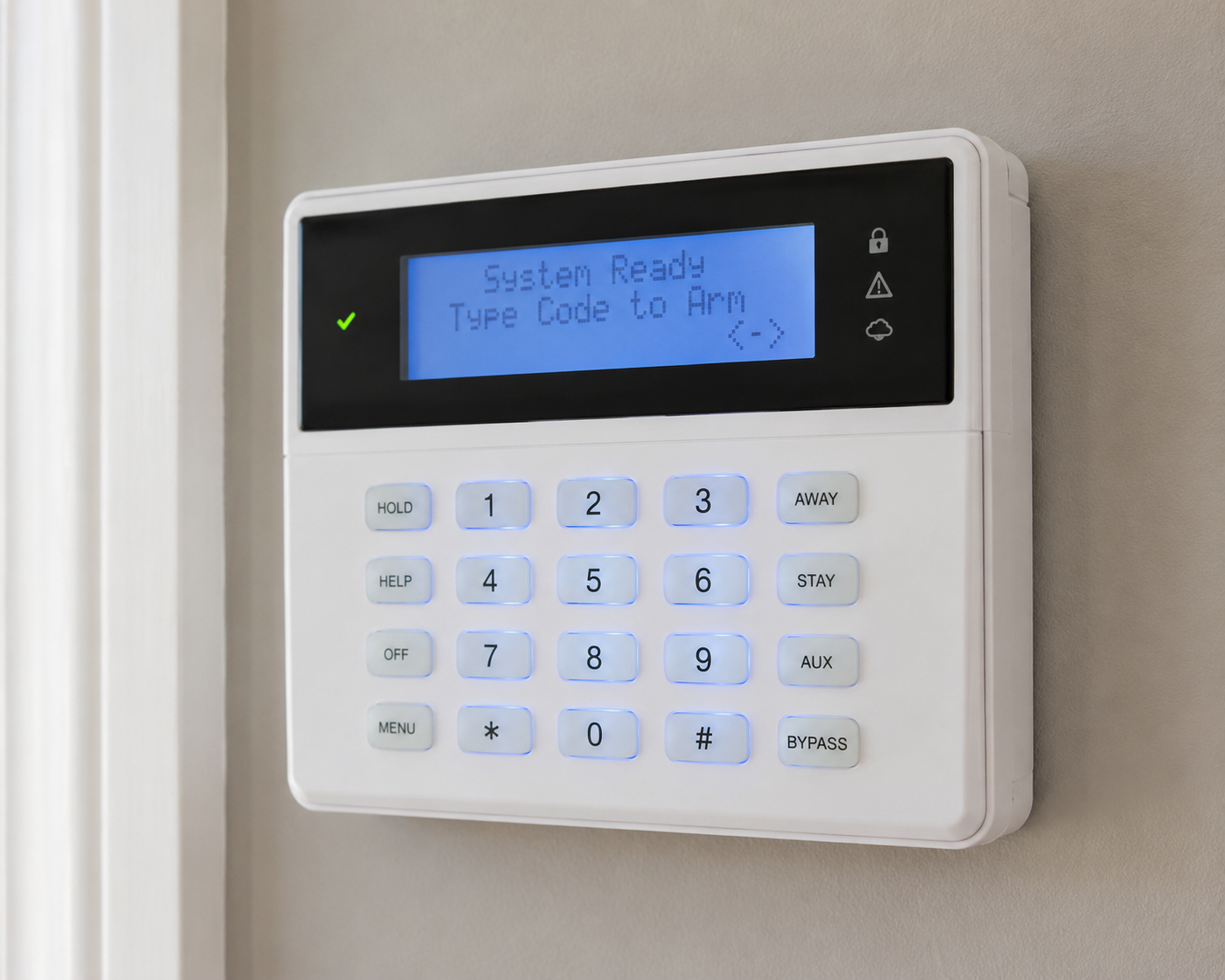
It happens to almost every security system owner at some point. You open a door too quickly, forget to disarm before walking in, or a pet triggers a motion sensor — and suddenly your alarm is blaring. Your first instinct might be to panic. But knowing exactly what to do in the moments after a false alarm can mean the difference between a minor inconvenience and an unnecessary police response, a fine, or a very stressful call with your monitoring center.
Here's a clear, calm walkthrough of what to do when your security system triggers a false alarm — and how to prevent it from happening again.
Step 1: Stay Calm and Move to Your Keypad
The alarm is loud, and that's by design. Take a breath. You have time — most monitoring centers wait 30 to 60 seconds before attempting to contact you, and they won't dispatch emergency services without trying to reach you first.
Move to your nearest keypad and enter your disarm code. This will silence the alarm and send a signal to your monitoring center that the system has been deactivated.
Step 2: Wait for Your Monitoring Center to Call
Even after you disarm, your monitoring center will likely still call to verify the alarm. This is standard procedure. When they call:
- Answer the phone if at all possible — missing the call increases the chance of an unnecessary police dispatch.
- Provide your verbal password (also called a duress code or safe word). This is the word or phrase you set up when your system was activated. It tells the monitoring center that you are safe and the alarm was accidental.
- Let them know it was a false alarm and briefly explain what triggered it (came in through the garage, forgot to disarm, etc.).
If you don't answer, the monitoring center will typically make a second attempt. If they still can't reach you, they will dispatch authorities — so answering that call is important.
Step 3: Contact Your Emergency Contacts If Needed
Many security systems are set up with a list of emergency contacts — family members, neighbors, or employees who will also be notified if an alarm is triggered. If you know those people may have been alerted, give them a quick call or text to let them know everything is fine. It saves them from worry and prevents anyone from showing up unnecessarily.
Step 4: Check Your System for Any Trouble Indicators
Once everything has been silenced and your monitoring center has confirmed the all-clear, take a moment to check your keypad or app for any trouble lights or fault indicators. A false alarm is sometimes a sign that a sensor is misaligned, a door or window isn't fully closed, or a battery is running low. Catching these issues now can prevent another false alarm later.
Step 5: Document What Happened
It sounds formal, but a quick note about what triggered the alarm — the zone, the time, and what caused it — is genuinely useful. If false alarms become a pattern in a specific zone or at a specific time of day, that information helps your security provider diagnose and fix the underlying issue quickly.
Most modern security apps log alarm events automatically, but a personal note gives you context that the system data alone won't capture.
Step 6: Call Your Security Provider If the Problem Repeats
A single false alarm is usually just an honest mistake. But if the same zone keeps triggering, or if your system is alarming under conditions that shouldn't set it off, that's a conversation to have with your security provider.
Common causes of recurring false alarms include:
- Sensor sensitivity set too high — motion detectors that are too sensitive can pick up pets, air movement from vents, or shifting light.
- Loose or misaligned door and window sensors — if a contact sensor doesn't sit flush, it may interpret a slightly open door as a breach.
- Low batteries — sensors with dying batteries can behave erratically and trigger false alerts.
- Environmental factors — insects, spider webs near motion detectors, or direct sunlight hitting a sensor can all cause unexpected triggers.
A qualified technician can diagnose any of these issues quickly and adjust your system so it responds accurately.
Avoiding False Alarms in the Future
A few simple habits go a long way toward preventing false alarms before they happen:
Build a routine around arming and disarming. Most false alarms happen during entry and exit. Give yourself enough time to disarm — don't rush through the door with your hands full. If your entry delay feels too short, ask your provider to adjust it.
Make sure everyone in the household or business knows the code. False alarms from family members or employees who don't know the disarm code are one of the most common causes of unnecessary dispatches.
Keep your contact list and verbal password current. If your phone number has changed, or if the person listed as your first emergency contact has moved away, update your account. Monitoring centers can only work with the information they have.
Schedule regular system checkups. Annual or semi-annual service visits catch the kind of gradual wear — drifting sensors, aging batteries, loose connections — that tends to cause false alarm problems over time.
A Note on False Alarm Fines in Maine
Many Maine municipalities have ordinances that allow police departments to charge a fee after a certain number of false alarms from a single address within a calendar year. The specific thresholds and fee amounts vary by town or city, but repeated false alarms can add up quickly and put your property on a flagged list that affects response priority.
The best way to avoid fines is to address recurring issues promptly and maintain a well-functioning system with the help of your security provider.
On Pointe Is Here When You Need Us
A false alarm can feel embarrassing in the moment, but it's a normal part of owning a security system — and it's very manageable when you know the steps. At On Pointe Security, we're always available to help you understand what triggered an alarm, make adjustments to your system, and ensure your equipment is working exactly as it should.
If you're experiencing recurring false alarms, or if you just want a system review to make sure everything is dialed in, give us a call. Peace of mind starts with a system that works right.
On Pointe Security Systems serves homeowners and businesses throughout southern and central Maine. Contact us at (207) 509-3531 or info@onpointesecurity.com with any questions about your system.